DC8
Organosulfur degradation at biocathodes: reactor design and optimization

- 01
The aim is to develop a treatment method for organosulfur compounds, exploring the combination of microbial and electrochemical separation and degradation.
- 02
Headspace chromatography, electro sorption, microbial degradation, electrochemical driven separation, electrochemical degradation.
- 03
Microbial degradation of organosulfur compounds can be stimulated by specific tuning of the redox potential.
The bioavailability of organosulfur compounds can be improved with sorption.
A chain of different redox conditions is required for a full degradation pathway for organosulfur compounds to sulfide and methane.
- 04
We will use mixed culture microorganisms from sulfide gas treatment plants with high organosulfur values.
- 05
We expect to present a labscale continuous organosulfur removal and degradation system that can be coupled to a gas treatment pilot system which is fed with sulfide and organosulfur compounds.
- 06
The main challenge is to set up mass balances over the systems because of difficulties (1) to differentiate between sorption, removal, degradation and bioconversion and (2) to measure the organosulfur compounds ex situ, due to their high volatility and affinity to be oxidized under air. The risk is that microorganisms can't degrade the organosulfur compounds, in that case we will pursue more chemical based degradation routes.
- 07
Paqell B.V. is an industry collaborator and Prof. Albert Guisasola from Universitat Autònoma de Barcelona is an academic collaborator.
THE SUPERVISORS

Annemiek ter Heijne
Wageningen University
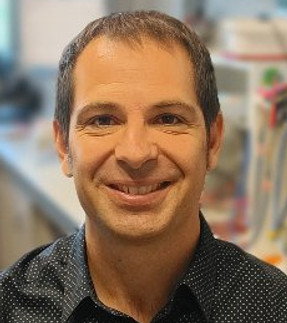
Albert Guisasola
Univer Autònoma Barcelona

Sanne de Smit
Wageningen University
THE CANDIDATE
Amin Ghaderikia
I am particularly interested in microbial electrochemistry, and environmental biotechnology.


